

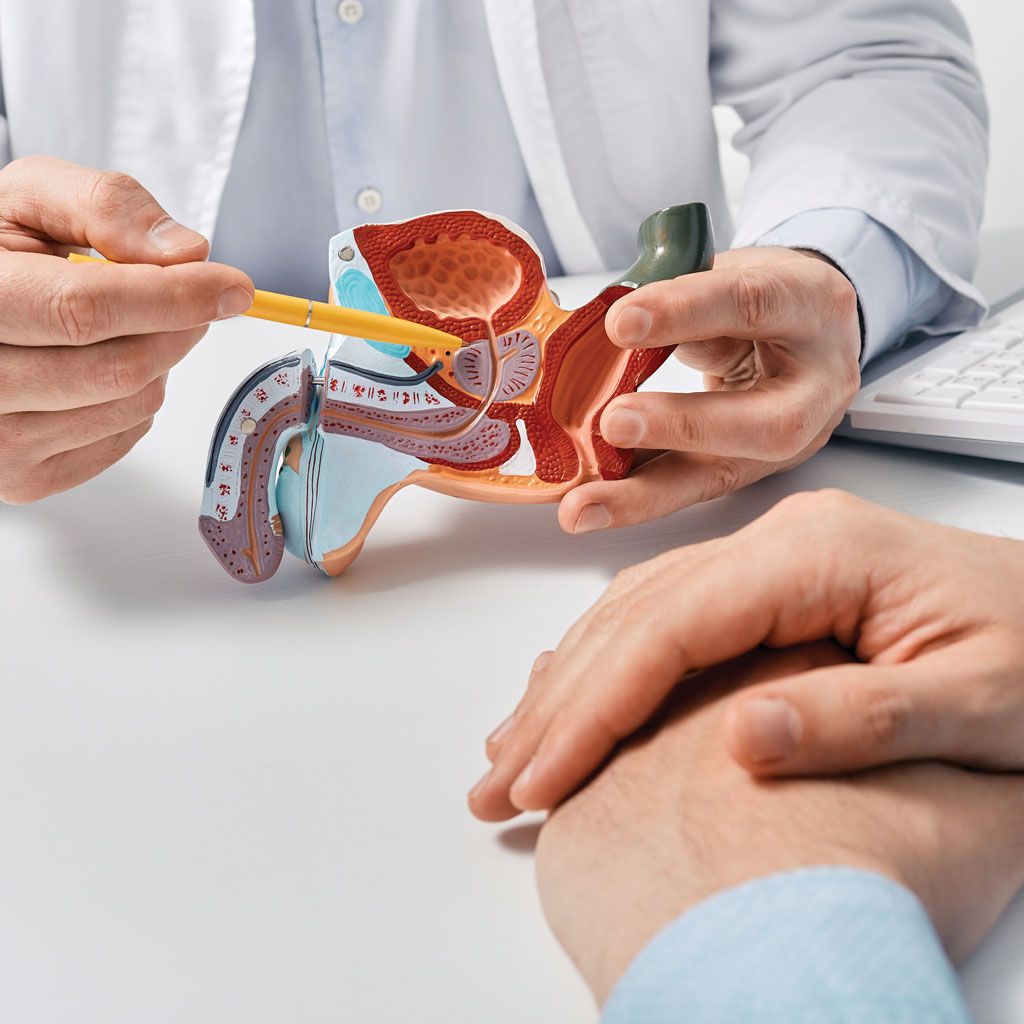
What Are the Long-Term Sexual Side Effects of TURP vs PAE?
January 22, 2026
When prostate symptoms start interfering with daily life, finding relief becomes a priority. For many men with benign prostatic hyperplasia (BPH), procedures like TURP (Transurethral Resection of the Prostate) or PAE (Prostate Artery Embolization) are often recommended.
While both treatments can improve urinary symptoms, one concern frequently comes up during decision-making: How will this affect my sex life long term?
Understanding the long-term sexual side effects of TURP vs PAE can help men choose a treatment that aligns with both their health goals and quality of life.
Understanding TURP and Its Long-Term Effects
TURP has long been considered the “gold standard” surgical treatment for BPH. During the procedure, a camera and other tools are advanced through the penis and excess prostate tissue is removed through the urethra to relieve pressure on the bladder.
While TURP is effective for improving urine flow, it is also associated with several well-documented long-term sexual side effects.
Long-Term Sexual Side Effects of TURP
One of the most common TURP long-term effects is retrograde ejaculation. This occurs when semen flows backward into the bladder instead of out through the penis during orgasm. This side effect can significantly impact sexual satisfaction and fertility.
Other potential long-term sexual side effects of TURP include:
- Permanent retrograde ejaculation (reported in most men)
- Erectile dysfunction, particularly in older patients or those with existing risk factors
- Changes in orgasm intensity or sensation
- Reduced semen volume or dry orgasm
- Psychological effects, including anxiety related to sexual performance
Because TURP involves cutting and removing prostate tissue, nerves involved in sexual function may be affected, making some of these side effects permanent.
How PAE Compares: A Minimally Invasive Alternative
Prostate Artery Embolization (PAE) is a newer, minimally invasive procedure performed by an interventional radiologist. Instead of removing prostate tissue, PAE works by reducing blood flow to the prostate, causing it to shrink gradually.
Since PAE does not involve surgical removal of tissue or entry through the urethra, it generally carries a lower risk of sexual side effects.
Long-Term Sexual Side Effects of PAE
Clinical studies have shown that PAE is associated with minimal impact on sexual function, especially when compared to TURP.
Long-term sexual outcomes with PAE typically include:
- Preservation of ejaculation in most patients
- No direct damage to the sexual nerves
- Stable or improved sexual confidence due to symptom relief
For many men, maintaining sexual function is a key factor in choosing PAE over traditional surgery.
Sexual Side Effects of TURP vs PAE at a Glance
When comparing long-term sexual side effects of TURP vs PAE, the differences are significant:
| Side effect | TURP | PAE |
| Retrograde ejaculation | Common and often permanent | Rare |
| Erectile dysfunction | Possible long-term risk | Low risk |
| Impact on sexual nerves | Yes | No |
| Recovery time | Longer | Shorter |
| Minimally invasive | No | Yes |
Choosing the Right Treatment for You
Every patient is different, and no single treatment is right for everyone. Factors such as prostate size, symptom severity, overall health, and personal priorities—especially sexual health—should all be part of the conversation.
If preserving sexual function is a top concern, understanding the sexual side effects of TURP vs PAE can make a meaningful difference in your decision.
Learn more about PAE at National Vascular Physicians and schedule a consult now by calling the location closest to you.